The short answer
If it is outdoors and near the sea, use 316. If it is indoors or well sheltered, 304 is usually enough.
The two grades look the same when new. The difference shows up later, in salty air, as brown spots and staining on 304.
What makes 316 different
316 contains molybdenum. That addition gives it much better resistance to chloride corrosion, the kind caused by sea air, salt spray and pool water. 304 has no molybdenum and is more prone to pitting and brown spotting in the same conditions.
This is why 316 is often called marine grade stainless steel. It is not immune to corrosion, but in coastal India it holds up much better than 304.
Chlorides are not only a seaside problem. Pool water and some cleaning agents carry them too, which is why 316 is the grade for pool surrounds even far from the coast.
Where to use each grade
When in doubt, choose 316. Near the coast, the question is not whether a railing sees chlorides, but how much.
Take care with the word sheltered in a coastal city. A covered balcony that rain never reaches can hold more salt on its surface than an open one that rain washes clean, so treat semi-open areas as exterior.
| Location | Grade |
|---|---|
| Coastal cities such as Mumbai, Goa and Chennai | 316 |
| Balconies, façades and terraces open to the weather | 316 |
| Around swimming pools | 316 |
| Interiors | 304 |
| Sheltered areas away from the coast | 304 |
Tea staining and how to avoid it
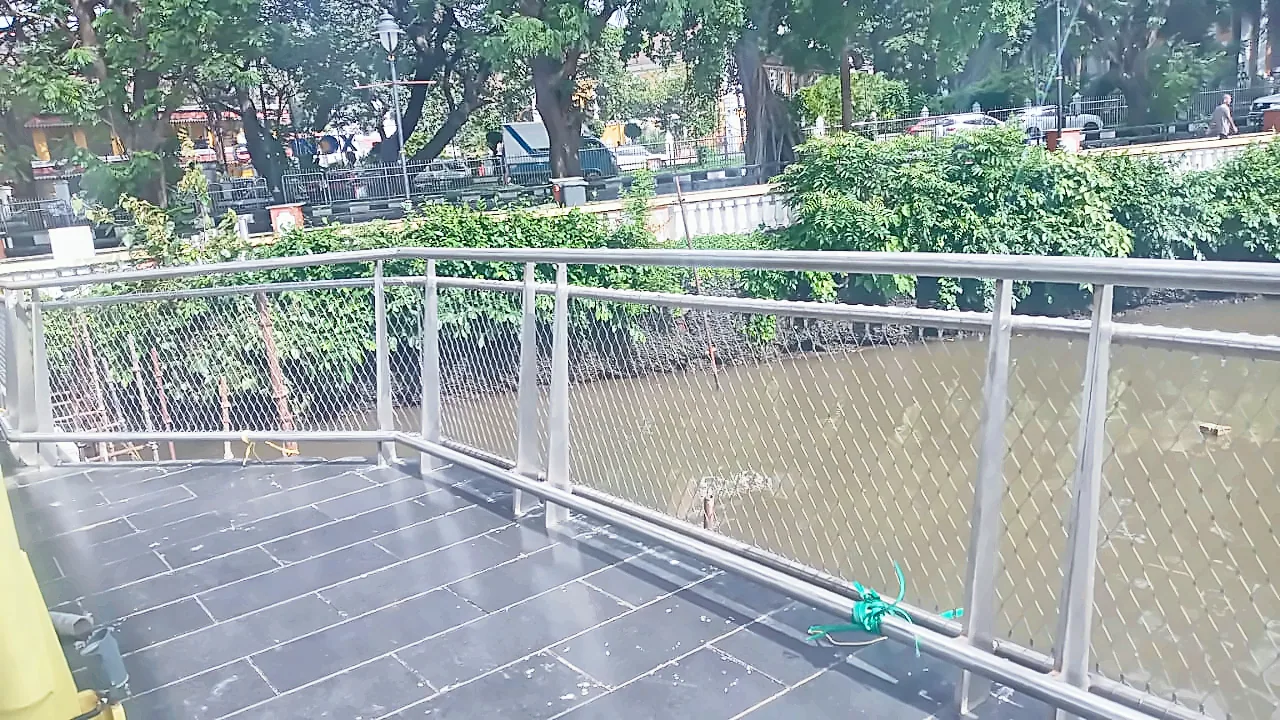
Tea staining is the light brown discolouration that appears on stainless steel in coastal and polluted air. It is mostly a surface effect, but it looks like rust and it spoils a clean railing. Good practice keeps it away:
- Choose 316 for exposed coastal work.
- Specify a smooth finish, because rough surfaces hold salt and dirt.
- Keep stainless clean. Wash it with fresh water, more often in spots that rain does not reach.
- Avoid contact with carbon steel filings. Grinding mild steel nearby leaves particles that rust on the stainless surface.
- Avoid bleach and chloride-based cleaners.
Railings, ropes and fittings
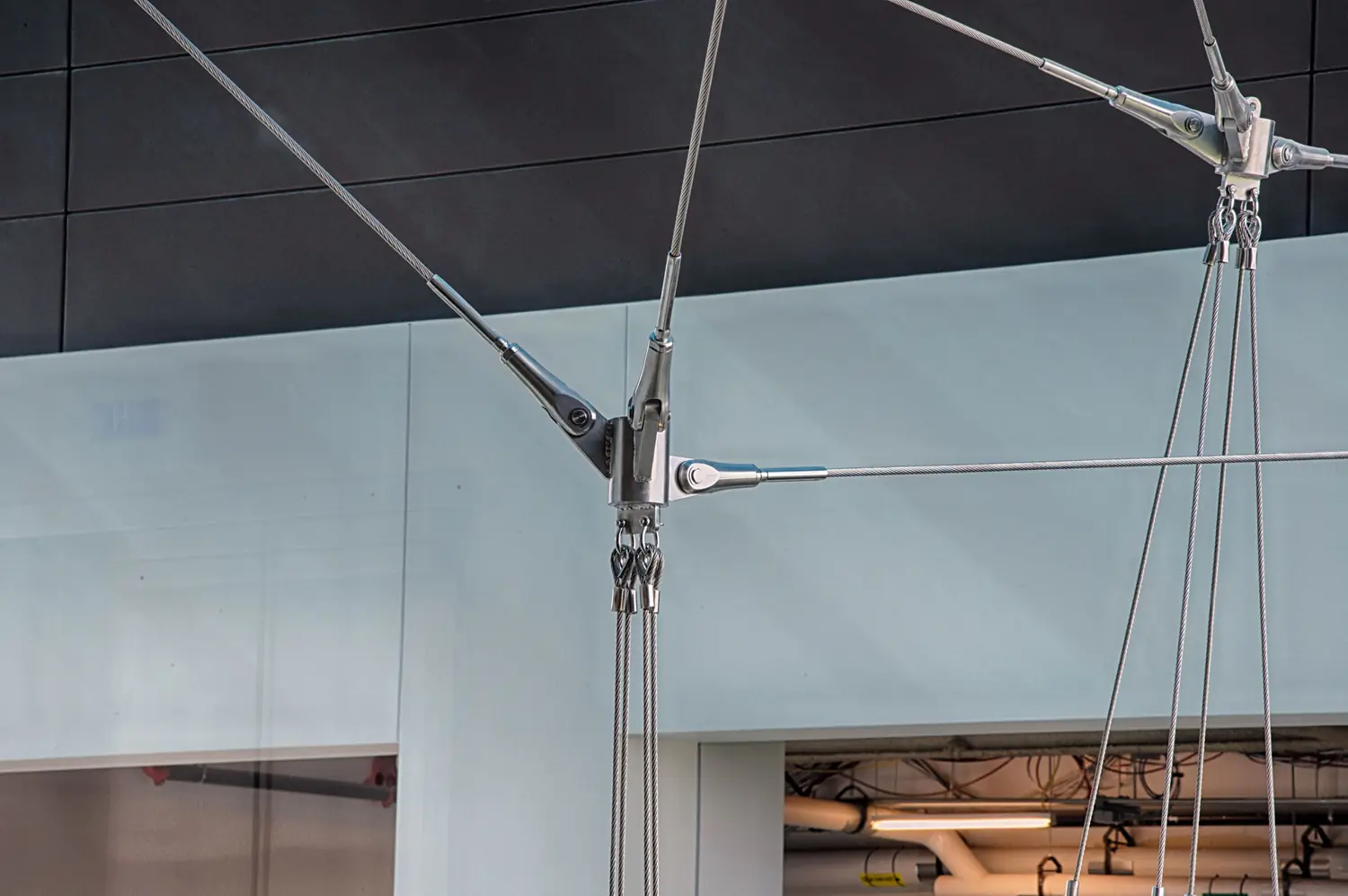
Grade matters in every part, not just the tubes. A 316 railing with lower-grade fixings or terminals can stain first at those weaker parts, and the stain runs onto everything below. Where stainless meets mild steel parts, keep them apart or isolate them, so rust from the steel does not mark the stainless.
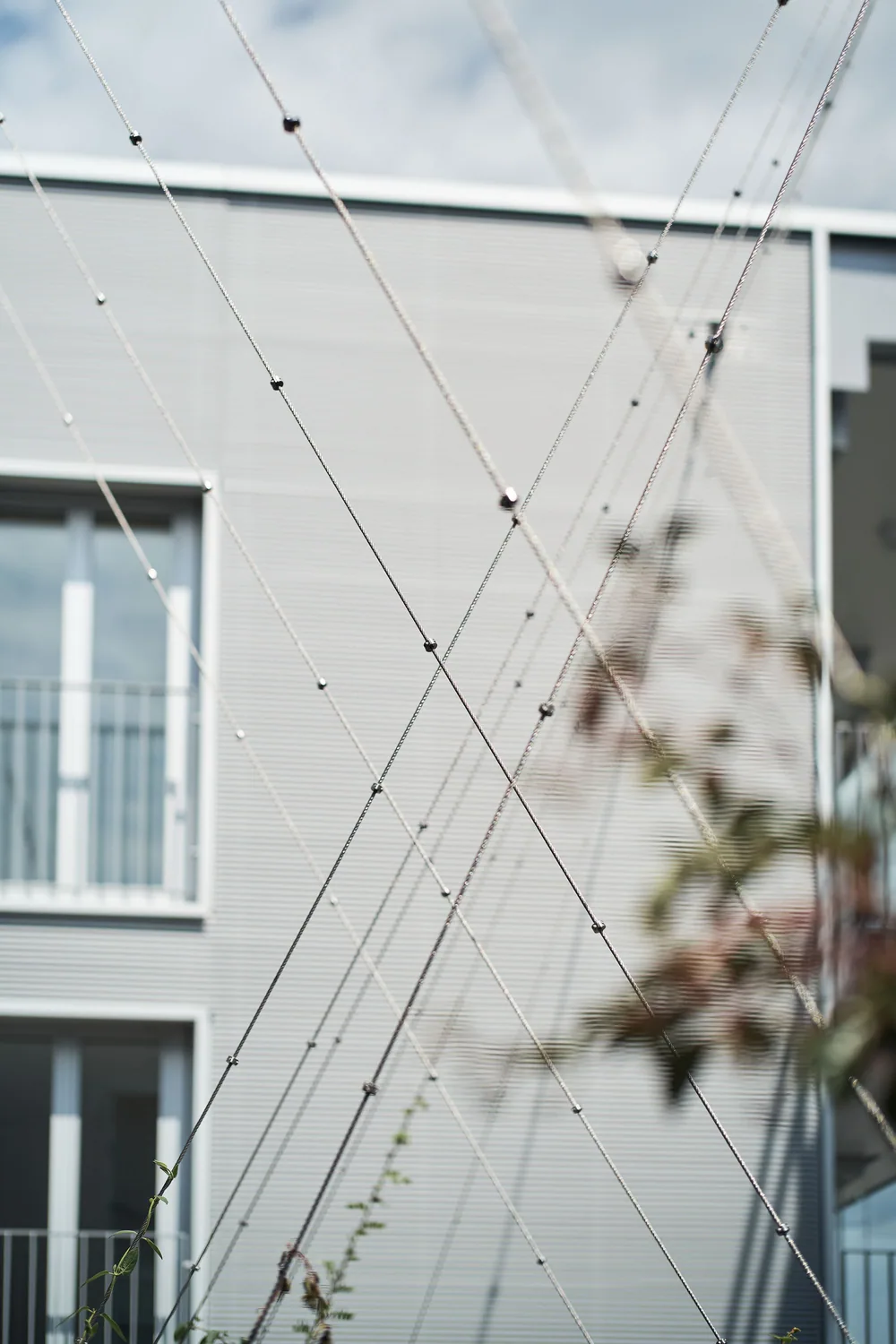
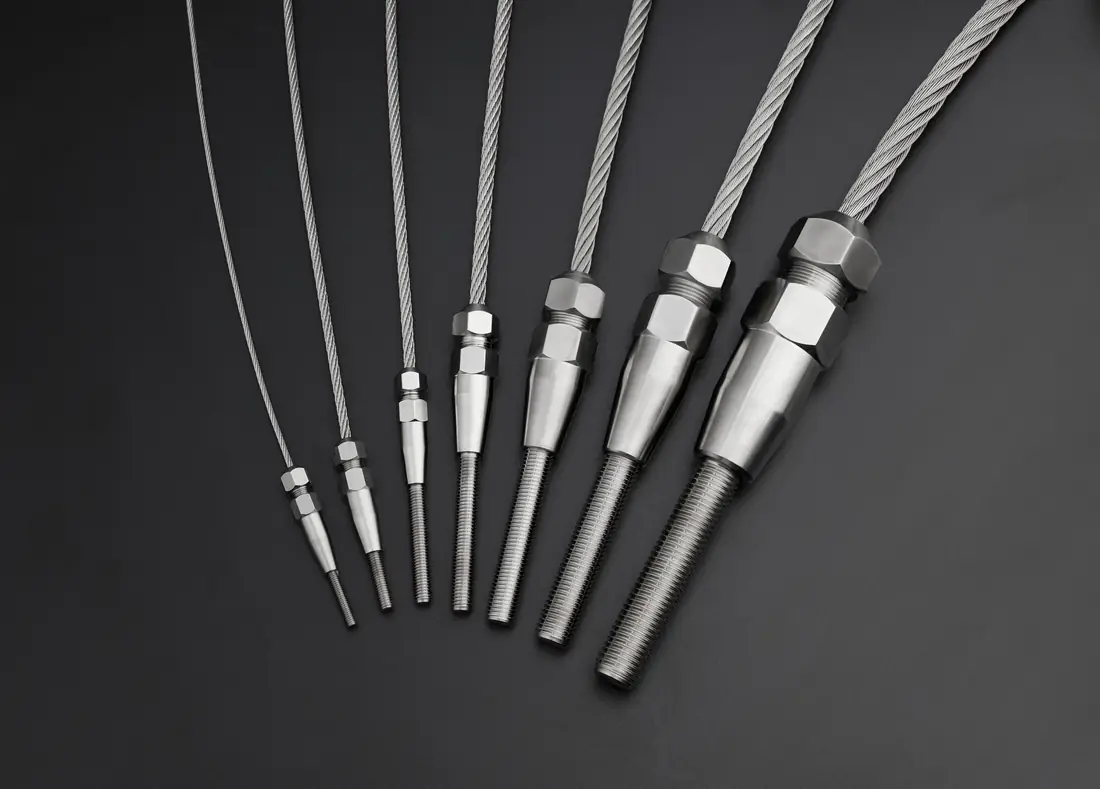
Jakob's architectural range, including its wire ropes, Webnet mesh and fittings, is in the AISI 316 material group. Invisible grills in the Indian market typically use SS 316 wire rope as well.
How to check what you are getting
The two grades look alike, and a magnet will not reliably tell them apart. Ask for the grade in writing on the quotation, and for the material test certificate for the batch supplied. For railings, ask about every component: posts, handrails, infill, fixings and fittings.
If an existing railing is already marked, light tea staining can usually be cleaned off. If it keeps coming back quickly, check both the grade and the cleaning routine.
How Acier can help
Acier designs, supplies and installs stainless steel railings, cable railings and Webnet across India, including coastal sites in Mumbai. We specify the grade for each location and each component, so the choice is made for the site and not by default.